
Optimal Lawn Mowing Timing Tips
Understanding the optimal timing for lawn mowings can significantly impact the health and appearance of a turf. Proper mowing schedules help maintain grass density, promote healthy growth, and prevent issues such as disease or pest infestation. The timing of mowings depends on factors like grass type, weather conditions, and growth rate.
Spring is an ideal time to begin mowing as grass starts to grow actively. Mow when the grass reaches about 3 inches tall to encourage healthy development.
During summer, mowing frequency may increase due to rapid growth. Maintaining a height of 2.5 to 3 inches helps prevent drought stress and promotes resilience.
In fall, mowing should be adjusted based on growth rate. Gradually lowering the height can prepare the lawn for winter dormancy.
In regions with mild winters, mowing may be minimal or unnecessary. It is important to avoid mowing when the ground is frozen or wet to prevent damage.
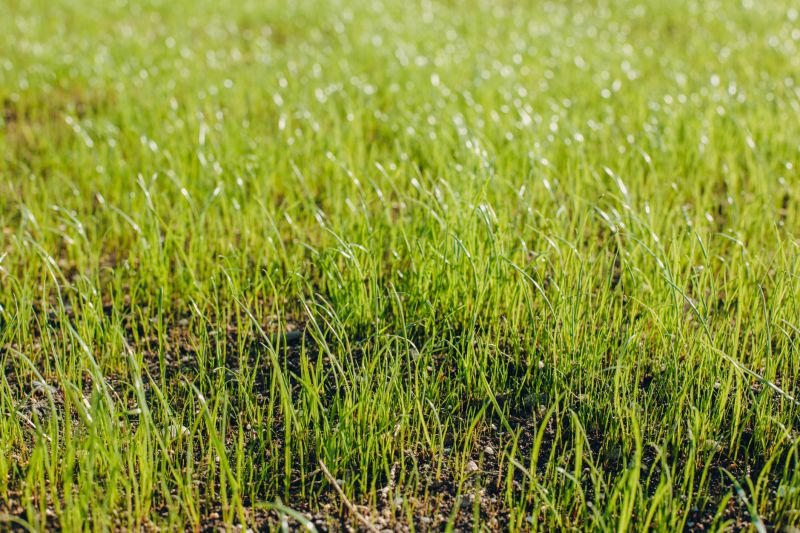
Freshly mowed grass in spring promotes healthy growth.
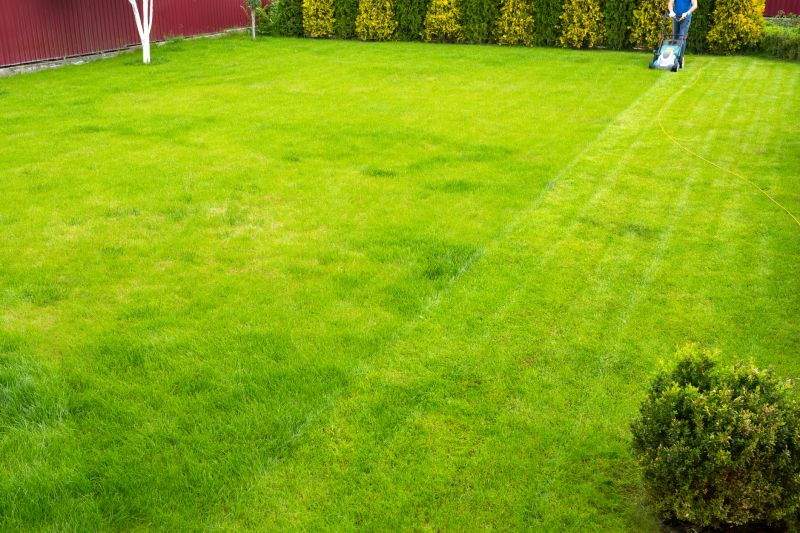
Maintaining height during summer helps prevent stress.
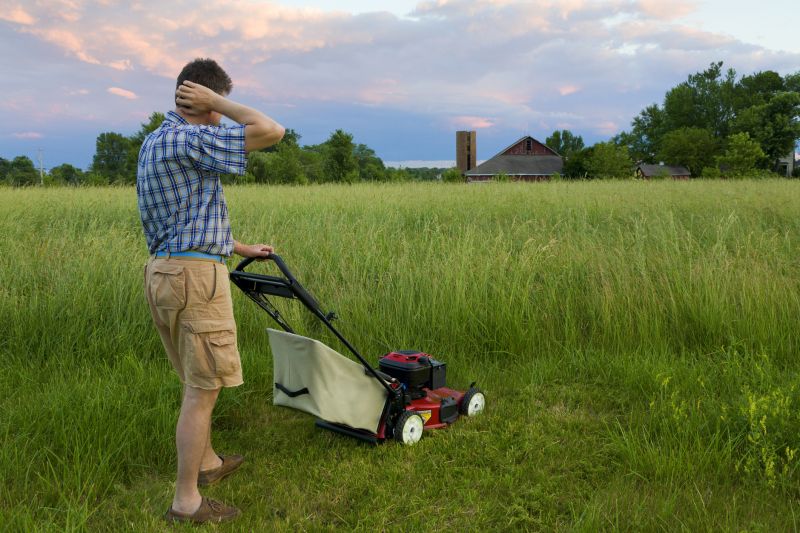
Lowering mower height prepares turf for winter.
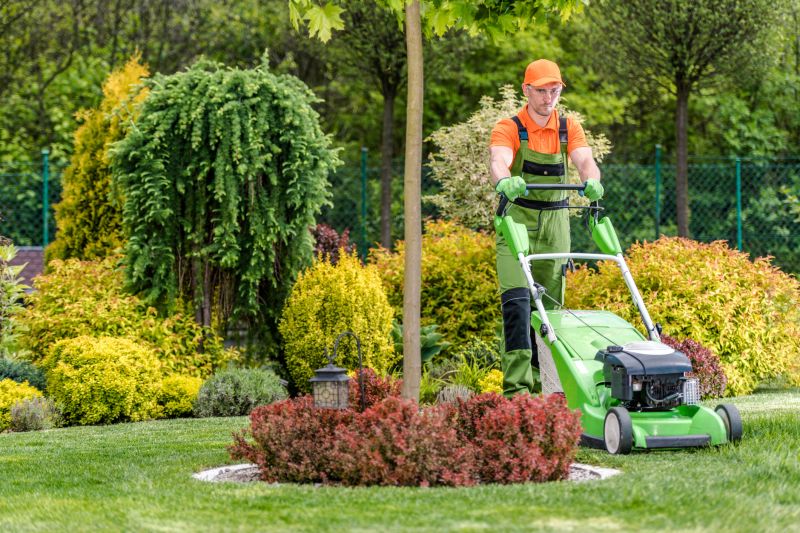
Minimal mowing during winter preserves turf health.
| Season | Recommended Mowing Height |
|---|---|
| Spring | 3 inches |
| Summer | 2.5 to 3 inches |
| Fall | Lower gradually to 2 inches |
| Winter | Minimal or none |
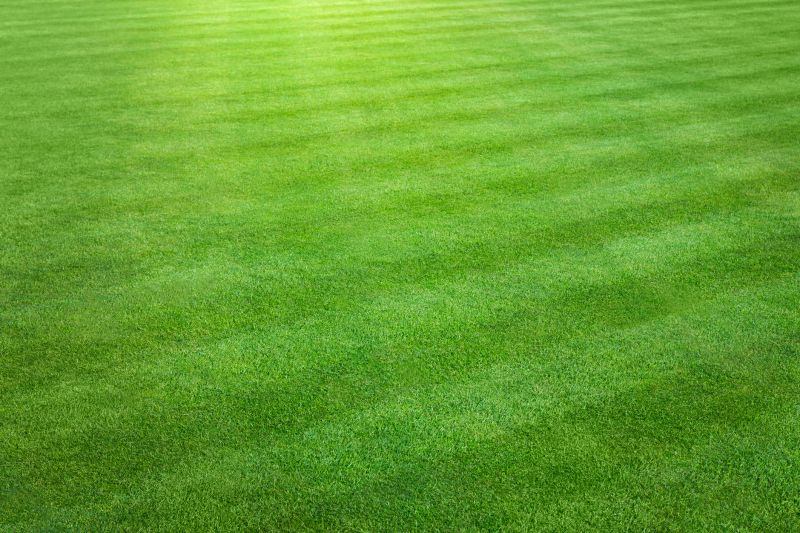
A well-maintained lawn showcases even, lush grass.
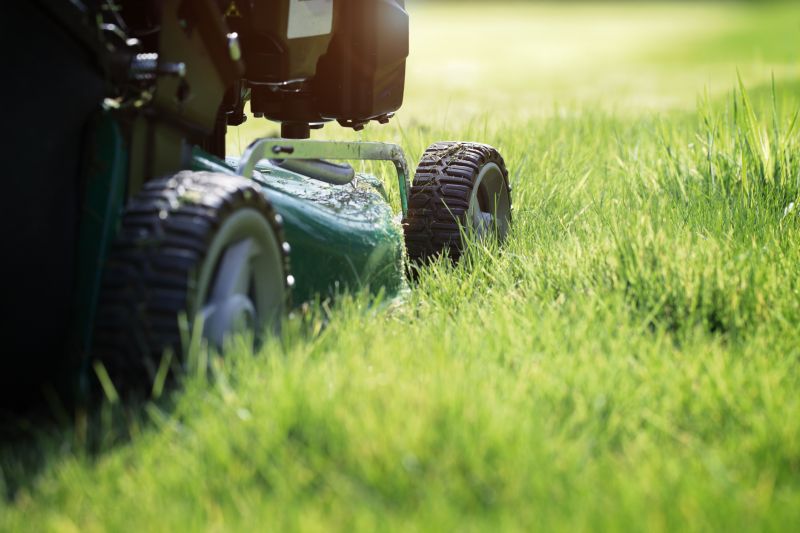
Proper equipment ensures clean cuts and lawn health.
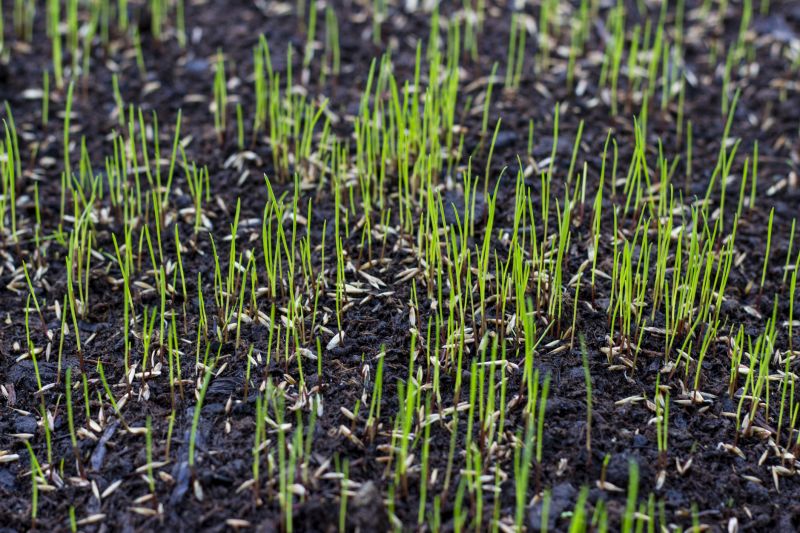
Monitoring growth helps determine optimal mowing times.
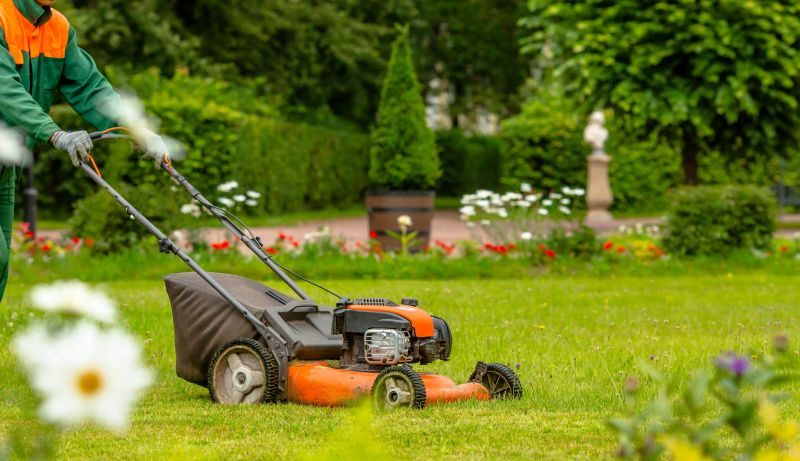
Adjusting mowing practices seasonally supports turf vitality.
Interested in scheduling regular lawn mowings? Filling out the contact form can connect property owners with professional lawn care services to keep lawns healthy and attractive throughout the year.